Framework-Based Learning
Polarynthar workshops center on established business methodologies documented in management literature. Each training module introduces specific analytical frameworks, explains their theoretical foundations, and guides participants through practical applications.
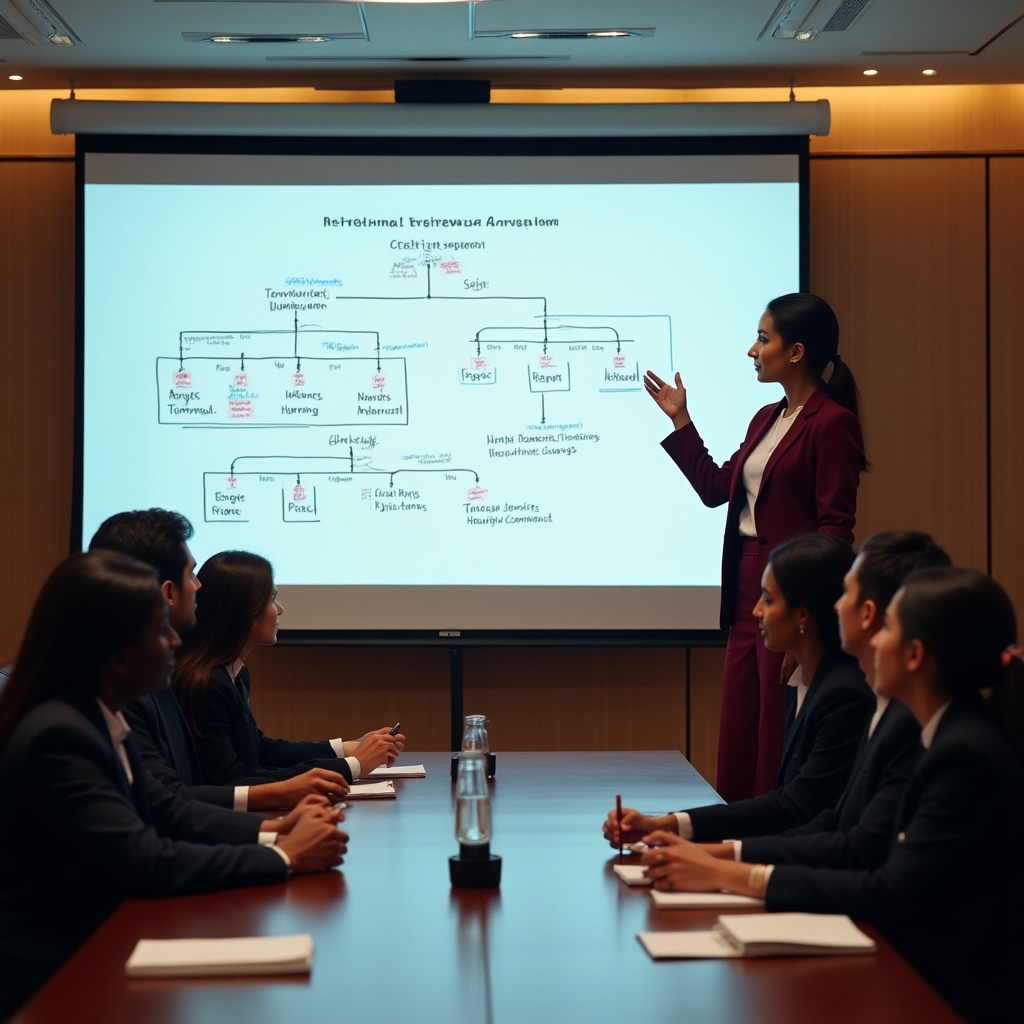
Our approach emphasizes understanding when and how to apply different decision-making tools rather than prescribing single solutions. Participants learn to evaluate which frameworks suit specific organizational contexts and problem types.
Core Principles
Training design follows several consistent principles across all workshop modules:
Evidence-Based Content
Framework explanations reference original research and documented applications. Participants receive citations for further reading and deeper exploration of methodologies.
Collaborative Learning
Exercises structured to encourage peer discussion and experience sharing. Participants benefit from diverse industry perspectives within cohort groups.
Practical Tools
Each module provides templates, checklists, and process guides that participants can adapt to their workplace needs immediately after training.
Session Structure
Workshop sessions follow a consistent format designed to build understanding progressively:
Framework Introduction
Conceptual overview explaining the framework's purpose, development history, and appropriate use cases. Includes visual models and terminology definitions.
Demonstration
Facilitator walks through a complete framework application using a business case example. Participants observe the methodology in action before attempting it themselves.
Guided Practice
Small group exercises where participants apply the framework to structured scenarios. Facilitator provides feedback and addresses questions during the process.
Discussion
Groups share their analyses and compare approaches. Facilitator highlights variations in application and discusses adaptation considerations.
Implementation Planning
Participants identify specific opportunities to use the framework in their current roles and outline initial implementation steps.
Material Development
Course content undergoes regular review to ensure alignment with current business research and participant feedback. We update case studies and examples to reflect contemporary organizational challenges while maintaining focus on timeless analytical principles.
Reference materials include annotated bibliographies directing participants to foundational texts and recent research papers relevant to each framework. This supports continued learning beyond the workshop duration.